
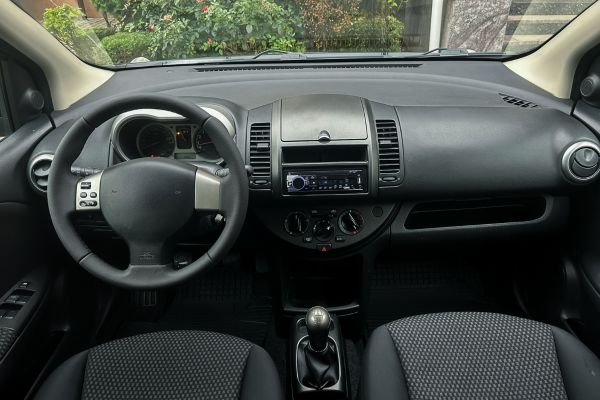
The decision between compact and full-size vehicles has long been a familiar crossroads for car buyers. Some drivers want something nimble that slips easily into tight parking spaces and sips fuel gently. Others prefer the confidence of a larger vehicle that feels planted on the highway and offers room for passengers and cargo. The debate around Compact vs Full-Size Cars isn’t just about size—it’s about lifestyle, priorities, and how a vehicle fits into everyday routines.
While both categories serve the same fundamental purpose—getting people from one place to another—the experience behind the wheel can feel remarkably different. Understanding how these two classes compare can make choosing the right one much easier.
Understanding What Defines a Compact Car
Compact cars occupy a middle ground between small subcompacts and larger mid-size sedans. Typically shorter in length and lighter in weight, these vehicles are designed with efficiency and practicality in mind.
Drivers often gravitate toward compact cars because they strike a balance between affordability and usability. They are usually easy to maneuver, making them ideal for crowded cities or dense neighborhoods where parking space is limited.
Inside the cabin, compact cars tend to offer comfortable seating for four adults, though the rear seat may feel tight for taller passengers during long trips. Trunk space is usually adequate for everyday errands, groceries, or a weekend getaway.
One of the biggest appeals of compact cars is efficiency. Their smaller engines and lighter frames generally translate to better fuel economy. For commuters who spend a lot of time on the road, that efficiency can make a noticeable difference over time.
What Sets Full-Size Cars Apart
Full-size cars represent the other end of the traditional sedan spectrum. These vehicles prioritize space, comfort, and highway performance. Longer wheelbases and wider bodies give them a more commanding presence on the road.
Step inside a full-size car and the first thing most people notice is the roominess. Legroom in both the front and rear seats is often generous, allowing passengers to stretch out comfortably. The trunk space also tends to be significantly larger, making these vehicles well suited for families or travelers who frequently carry luggage or equipment.
The ride quality of full-size cars is another defining trait. Their larger frames often absorb bumps more effectively, resulting in a smoother, quieter driving experience—particularly on highways. Many drivers appreciate the sense of stability these cars offer at higher speeds.
Because of their size, full-size vehicles also tend to include more upscale materials and features. Over time, they have developed a reputation for comfort-oriented driving rather than purely practical transportation.
Driving Experience on City Streets
Urban driving is where compact vehicles often shine. Their smaller dimensions make navigating narrow streets and busy intersections easier. Parking in tight urban spaces—whether on crowded streets or in multi-level garages—becomes far less stressful.
Compact cars also feel lighter and more responsive when making quick turns or changing lanes in traffic. For drivers who regularly travel through busy city centers, that agility can make daily driving feel less exhausting.
Full-size cars, while still manageable, require a bit more awareness in these environments. Their longer bodies may demand wider turning radiuses, and squeezing into small parking spots can sometimes feel like solving a puzzle.
However, many drivers who are accustomed to larger vehicles quickly adapt. Modern parking sensors and cameras also help mitigate the challenge.
Comfort and Space for Long Journeys
Highway driving tends to reveal the strengths of full-size vehicles. Their longer wheelbase contributes to a smoother ride and greater stability at higher speeds. On extended road trips, passengers often appreciate the additional legroom and wider seating.
The extra interior space also reduces the feeling of confinement that can develop during long drives. Adults seated in the rear row typically enjoy more shoulder and legroom, making multi-hour journeys more comfortable.
Compact cars can still handle long-distance travel effectively, but the experience may feel slightly more confined, especially if every seat is occupied. For solo travelers or couples, however, the difference may hardly matter.
Fuel Efficiency and Running Costs
One of the most noticeable distinctions in the Compact vs Full-Size Cars discussion is fuel consumption. Compact cars generally achieve better mileage due to their lighter weight and smaller engines.
This advantage can be particularly meaningful for drivers with long daily commutes. Over time, the difference in fuel usage can translate into noticeable savings.
Full-size vehicles typically consume more fuel, especially if equipped with larger engines designed to power their heavier frames. While modern engineering has improved efficiency across the board, the laws of physics still apply—larger vehicles require more energy to move.
Maintenance and insurance costs can also vary slightly. Compact cars are often cheaper to maintain simply because many of their components are smaller and less complex.
Safety Perceptions and Reality
Vehicle size has historically influenced how people perceive safety. Many drivers instinctively feel more secure in a larger car simply because it offers more physical mass and space between occupants and the outside environment.
Full-size cars can indeed provide advantages in certain types of collisions due to their size and structural design. The additional weight can contribute to stability during impacts.
However, compact cars today are far more advanced than they were decades ago. Modern safety technology—such as advanced airbag systems, reinforced frames, and driver assistance features—has significantly improved protection across all vehicle classes.
Crash test ratings often show that well-designed compact cars can perform remarkably well in safety evaluations.
Cargo Capacity and Everyday Utility
When it comes to carrying capacity, full-size vehicles clearly have the upper hand. Their larger trunks can accommodate bulky items, travel luggage, or sports equipment without much compromise.
Families who frequently travel or transport multiple bags may appreciate the flexibility that comes with the extra cargo space. Some full-size models even include folding rear seats that extend storage capacity even further.
Compact cars, by contrast, prioritize efficiency over volume. While their trunks are perfectly adequate for daily errands, they may feel limiting when transporting large items.
For many drivers, however, the difference only becomes noticeable during occasional situations such as vacations or major shopping trips.
Parking, Maneuverability, and Daily Convenience
Daily convenience is often where compact vehicles earn their loyal following. The ease of slipping into a tight parking space or navigating a crowded street can dramatically reduce everyday stress.
Drivers who live in dense urban areas or older neighborhoods with narrow roads frequently find compact vehicles far more practical.
Full-size cars can still function well in these environments, but they often demand a bit more patience and spatial awareness. Parallel parking a larger vehicle, for instance, may require more careful positioning.
That said, some drivers prefer the commanding road presence and comfortable seating position offered by larger cars, even if parking takes an extra moment.
Choosing the Right Fit for Your Lifestyle
Ultimately, the choice between compact and full-size vehicles often comes down to lifestyle rather than simple specifications.
Drivers who spend most of their time commuting in cities, running errands, or parking in tight spaces tend to appreciate the efficiency and agility of compact cars.
On the other hand, those who frequently travel long distances, carry passengers, or prioritize cabin comfort often lean toward full-size vehicles. The added space and smoother ride can make a noticeable difference during extended drives.
Both categories have evolved significantly in recent years. Improvements in technology, safety, and fuel efficiency mean that neither choice requires major compromises.
Conclusion
The conversation around Compact vs Full-Size Cars is less about which category is objectively better and more about which one fits a particular lifestyle. Compact vehicles offer practicality, efficiency, and easy maneuverability, making them ideal for busy urban environments. Full-size cars, meanwhile, emphasize comfort, space, and stability—qualities that shine during long highway drives or family travel.
In the end, the right car is the one that aligns naturally with how it will be used every day. Whether small and agile or spacious and smooth, both compact and full-size cars continue to serve drivers with different needs and preferences, each offering its own distinct driving experience.