
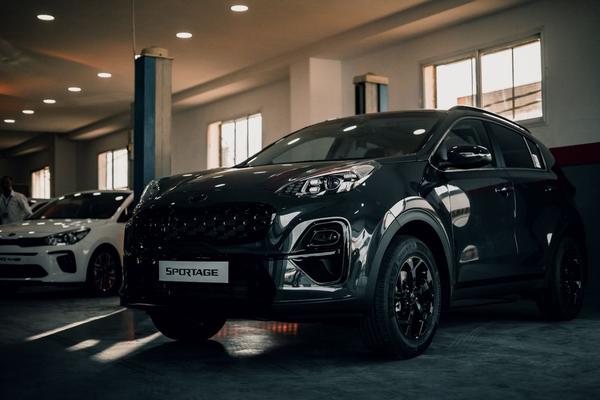
The Hyundai Tucson and Kia Sportage are two of the strongest family SUVs and are unusually close on size, price and everyday usability. Choosing between them is mostly about matching the powertrain and trim to the way you drive. Both offer hybrid technology, roomy cabins and plenty of equipment.
Hybrid choices: where the biggest difference starts
For buyers comparing the Hyundai Tucson hybrid with the Kia Sportage hybrid, the first question is whether you want a self-charging hybrid or a plug-in hybrid. Hyundai currently offers the Tucson in both forms in the UK. The self-charging version suits drivers who want better urban efficiency without plugging in, while the Tucson Plug-in Hybrid can cover up to about 43 miles on electric power under official testing before the petrol engine takes over.
Kia’s current UK Sportage range includes a self-charging hybrid, while the latest Sportage Plug-in Hybrid is listed as coming soon. That gives the Tucson an advantage today if home charging is part of your plan. If you do not intend to plug in, the comparison is much tighter because both HEVs combine a turbocharged petrol engine with electric assistance and an automatic gearbox.
Comfort and driving
Neither SUV is trying to be a sharp-edged sports model. Their strengths are easy controls, quiet cruising and a relaxed driving position. The Tucson feels composed in town, where the hybrid system can move smoothly between petrol and electric assistance. The Sportage has a similarly calm character and settles well on longer motorway journeys.
Wheel size matters more than many buyers expect. Larger wheels can sharpen the styling but may make broken roads feel busier and increase tyre replacement costs. If comfort matters, test the exact wheel size you intend to buy rather than assuming the highest trim is automatically the best choice.
Space and practicality: Tucson has the edge on paper
Both SUVs are genuinely useful for family life. Rear-seat space is generous, and the wide-opening doors make child-seat access straightforward. The Tucson self-charging hybrid offers up to 620 litres of boot space with the rear seats in place, while the Sportage Hybrid provides about 587 litres. Figures vary by powertrain and specification, but neither is short on luggage room.
A practical test is to take the largest item you carry regularly, such as a folded pushchair or travel case, and physically load it into both boots. Published litre figures do not show floor shape, load height or usable width. For a family carrying a pushchair, weekly shop and school bags, the Tucson’s extra capacity may help, but both remain highly practical.
Cabin technology and ease of use
The Tucson uses a modern dashboard layout with a 12.3-inch central touchscreen and, on relevant trims, a large digital instrument display. Wireless charging, USB-C ports and Hyundai’s Bluelink connected services are available depending on specification.
The Sportage also uses a 12.3-inch navigation touchscreen, although the entry Pure Hybrid pairs it with a smaller 4.2-inch driver display. Higher trims add more digital equipment and convenience features. This is why an SUV comparison UK buyers make should focus on exact trim levels rather than only the model names.
Before visiting a dealer, make a checklist of features you will use every day, such as heated seats, a surround-view camera, powered tailgate, phone connectivity and driver-assistance systems. Useful equipment can matter more than cosmetic upgrades.
Running costs and warranty
Both self-charging hybrids make most sense when your driving includes town and suburban routes, where regenerative braking and low-speed electric assistance can reduce fuel use. Motorway-heavy drivers should expect a smaller efficiency advantage because the hybrid system has fewer opportunities to recover energy.
The Tucson Plug-in Hybrid changes the equation for owners who can charge at home. A family with a 12-mile school-and-work round trip could complete much of its weekday driving on electricity if the car is charged regularly. Without convenient charging, however, a PHEV may not deliver the same benefit.
Warranty coverage is a clear difference. Hyundai provides a five-year, unlimited-mileage vehicle warranty, with its high-voltage battery covered for eight years or 100,000 miles. Kia provides a seven-year or 100,000-mile vehicle warranty, and its hybrid high-voltage battery is covered for seven years or 100,000 miles. High-mileage drivers may value Hyundai’s unlimited-mileage cover, while long-term owners may prefer Kia’s seven-year warranty.
Price and value
At the time of writing, entry prices for the Tucson and Sportage self-charging hybrids are very close in the UK, both around the mid-£34,000 range before options or finance incentives. Value therefore depends heavily on standard equipment, dealer offers and the trim you actually want.
Do not compare finance deals only by monthly payment. Check the deposit, mileage allowance, optional final payment and equipment differences. Related internal topics worth exploring include family SUV buying guides, hybrid vs plug-in hybrid explanations and SUV boot space comparisons.
Which should you choose?
The Tucson makes the strongest case if you want the broadest hybrid choice today, especially if a plug-in model and home charging fit your routine. Its larger quoted boot is also useful for families carrying lots of luggage. The Sportage is particularly attractive if you prefer Kia’s cabin design, find a better-equipped trim for your budget or value the seven-year vehicle warranty.
For buyers choosing between the two self-charging hybrids, drive both on the same type of roads you use every week and compare the exact trim equipment. Small differences in ride quality, seat comfort and control layout are likely to matter more over several years than a minor variation in headline power or economy.
Frequently asked questions
Is the Hyundai Tucson Hybrid more spacious than the Kia Sportage Hybrid?
The Tucson has the larger quoted boot capacity in self-charging hybrid form, at up to 620 litres compared with about 587 litres for the Sportage Hybrid. Both provide generous passenger space for family use.
Which has the better warranty, Tucson or Sportage?
Kia offers seven years or 100,000 miles of vehicle warranty cover, while Hyundai offers five years with unlimited mileage. Hyundai separately covers its high-voltage battery for eight years or 100,000 miles. Which arrangement suits you better depends on annual mileage and ownership length.
Can I buy a plug-in hybrid version of both SUVs?
The Tucson Plug-in Hybrid is currently available in the UK. Kia’s latest UK Sportage range currently lists the new PHEV as coming soon, so check current dealer availability if a plug-in model is essential.
Which is better for short urban journeys?
Either self-charging hybrid works well for mixed town driving without requiring a charger. If you have reliable home charging and your daily mileage fits within the Tucson PHEV’s electric range, the plug-in Tucson can make many short journeys with little or no petrol use.
Final thoughts
The Tucson vs Sportage decision comes down to how you will use the car rather than a dramatic difference in quality. The Tucson currently offers more electrified choice and a little more luggage capacity, while the Sportage counters with a longer time-based vehicle warranty and well-equipped trims. Compare the exact versions within your budget, test them on familiar roads and choose the one whose comfort, controls and ownership package fit your family best.