
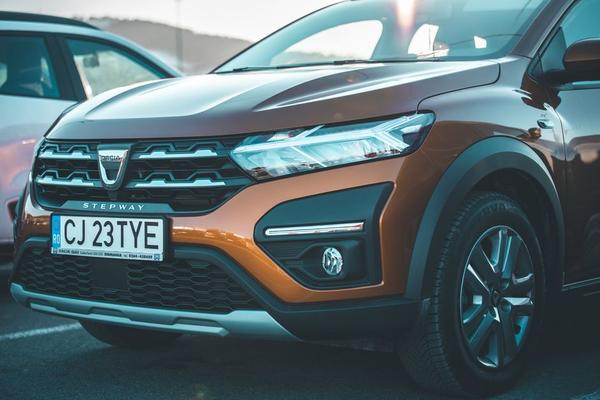
The Dacia Bigster and Skoda Karoq approach the family-SUV brief from different directions. The Bigster is newer, larger and aggressively priced, while the Karoq is the more established all-rounder with a broad engine range and flexible practicality. For UK buyers, the decision is less about which badge is “better” and more about whether maximum space and value matter more than compact dimensions and drivetrain choice.
Price and value: the Bigster starts with a clear advantage
Price is the biggest difference. In the UK, the Dacia Bigster currently starts from £25,215 for the Expression mild hybrid 140, while the Skoda Karoq starts from £30,960 in SE Edition trim. That is a gap of £5,745 before options, which is significant for a family car.
The Bigster does not feel stripped out simply because it costs less. Expression trim includes a 10.1-inch touchscreen, wireless smartphone replication, dual-zone climate control and a multiview camera. The Karoq counters with a more traditional trim ladder and a well-developed equipment list, but buyers comparing value rather than badges may find that the Bigster leaves more room in the budget for a higher trim or hybrid powertrain.
Space and practicality: Bigster is the roomier choice
The Bigster is 4,570 mm long with a 2,702 mm wheelbase. The Karoq is shorter at 4,390 mm, with a 2,638 mm wheelbase in front-wheel-drive form. That extra length gives the Dacia a stronger case for families carrying older children, bulky pushchairs or holiday luggage.
Bigster boot space is one of its strongest selling points. Dacia quotes up to 667 dm³ VDA, equivalent to 702 litres under the luggage cover for the mild hybrid 140, and up to 1,937 dm³ VDA with the rear seats folded. Dacia’s UK technical pages display slightly different litre figures depending on measurement method and configuration, so check the exact version before ordering.
The standard Skoda Karoq boot is 521 litres with the rear seats up and 1,630 litres with them folded. Some versions with VarioFlex seating can provide up to 588 litres with the seats in place and up to 1,810 litres when the removable rear seats are taken out. The Karoq therefore fights back with flexibility, but the Bigster has the advantage in outright luggage volume.
A useful real-world test is simple: if your usual family load includes a folded pushchair, two cabin cases and a weekly food shop, take those items to the showroom. Boot-litre figures matter, but floor shape, loading height and how easily the rear seats fold can matter just as much.
Engines and driving: hybrid efficiency versus broader choice
The Bigster range focuses heavily on electrified petrol power. The mild hybrid 140 uses a six-speed manual gearbox, while the HYBRID 155 adds a full-hybrid automatic setup. Dacia also offers a hybrid 150 4×4 on selected versions. The mild hybrid 140 is rated at 52.3 mpg combined in Dacia’s current UK configurator.
The Karoq takes a different route. Its UK range continues with petrol and diesel engines, with manual and DSG automatic gearboxes depending on version. Selected higher-spec models are also available with four-wheel drive. That makes the Karoq appealing to drivers who prefer a familiar petrol or diesel setup or want more choice in performance and drivetrain.
For mostly urban use, the Bigster HYBRID 155 is particularly interesting because a full hybrid can use electric assistance in slow traffic. For frequent motorway journeys, the Karoq’s conventional petrol and diesel choices may suit drivers who prioritise steady long-distance cruising. A test drive over your normal route is more useful than comparing headline power figures alone.
Comfort, cabin feel and everyday usability
The Karoq’s main strength is familiar, straightforward family usability. Its smaller overall length makes it easier to place in older multi-storey car parks and tighter streets, while available VarioFlex rear seating adds useful versatility.
The Bigster feels more deliberately spacious. Its longer wheelbase and large luggage area make it the stronger option when passenger and cargo room come first. The trade-off is that its 4.57-metre length is more noticeable when parking than the Karoq’s 4.39 metres.
Cabin preference may decide the contest for some buyers. The Karoq has a mature, conventional layout, while the Bigster brings a newer dashboard design and larger central display. Families should check rear-seat access, child-seat installation, visibility and usable storage rather than focusing only on screen size.
Running costs and ownership priorities
Lower purchase price gives the Bigster an immediate financial advantage, and its electrified engines are designed around efficiency. The Karoq costs more to enter, but it offers a broader spread of engines and specifications, including choices for buyers who specifically want diesel, DSG or four-wheel drive.
Before ordering, compare insurance quotes for the exact trim, finance APR, servicing costs and likely annual mileage. A £5,000-plus saving on purchase price can outweigh a small fuel-economy difference for lower-mileage households. Related reading could include our affordable family SUVs guide, hybrid versus petrol SUV comparison, and family SUV boot-space guide.
Which family SUV should you choose?
Choose the Dacia Bigster if your priorities are maximum space, a lower starting price and hybrid availability. It gives families a lot of vehicle for the money and has a particularly strong advantage in luggage capacity.
Choose the Skoda Karoq if you prefer a slightly smaller SUV, want flexible rear-seat options, or value a broader choice of petrol, diesel, manual, automatic and selected four-wheel-drive configurations. It remains a convincing all-rounder even though its starting price is higher.
Frequently asked questions
Is the Dacia Bigster bigger than the Skoda Karoq?
Yes. The Bigster is 4,570 mm long compared with 4,390 mm for the Karoq, and it also has a longer wheelbase. That gives the Dacia more of a mid-size SUV footprint.
Which has the bigger boot, the Bigster or Karoq?
The Bigster has the larger outright luggage capacity. Dacia quotes up to 667 dm³ VDA under the luggage cover for the mild hybrid 140, while the standard Karoq boot is 521 litres. Karoq versions with VarioFlex seating can offer up to 588 litres with the seats in place.
Does the Skoda Karoq come as a hybrid?
The current UK Karoq range is based on petrol and diesel engines rather than a full-hybrid powertrain. The Bigster offers both mild-hybrid and full-hybrid options.
Which is better value for a UK family?
On purchase price and space, the Bigster has the advantage. The Karoq justifies its higher price through a broader engine range, compact dimensions and flexible seating options. The better choice depends on whether your family values maximum room and hybrid efficiency or a more established, versatile all-round package.
Conclusion
The Dacia Bigster is the stronger choice for buyers who want a spacious, well-equipped family SUV at the lowest entry price. Its larger boot, longer wheelbase and hybrid options make the value case easy to understand. The Skoda Karoq remains competitive because it is easier to manage in tighter spaces and offers more drivetrain flexibility. If space and budget are decisive, pick the Bigster; if compact practicality and engine choice matter more, the Karoq still deserves a place on the shortlist.