
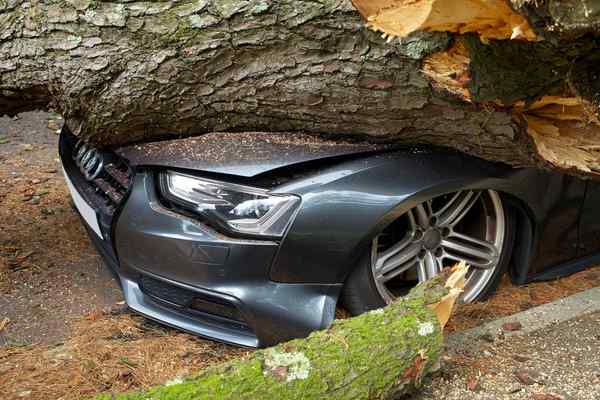
Comprehensive car insurance is usually the broadest standard level of motor cover available to UK drivers. It combines protection for damage or injury you cause to other people with cover for many types of loss or damage to your own car.
The word “comprehensive”, however, does not mean every possible incident, repair or expense is covered. Policy limits, exclusions, excesses and optional extras still matter, so the useful question is not simply whether a policy is comprehensive, but exactly what that insurer includes.
What comprehensive car insurance usually covers
At its core, comprehensive cover normally includes third-party liability. If you are responsible for an accident, the policy can cover injury to other people and damage to their vehicles or property. UK drivers must have at least third-party insurance to drive on roads and in public places.
Comprehensive policies go further by providing vehicle damage cover for your own car in circumstances set out by the policy. Typical protection includes accidental collision damage, fire, theft and attempted theft. Many policies also cover vandalism and may include limited personal accident benefits.
If, for example, you misjudge a tight turn in a supermarket car park and scrape your own car against a concrete pillar, third-party-only insurance would not normally pay for your repairs. A comprehensive policy may cover the damage, subject to the policy terms and your excess.
How comprehensive cover differs from other levels
Third-party only
Third-party insurance is the legal minimum. It covers your liability for injury or damage you cause to other people, but it generally does not pay for loss or damage to your own vehicle.
Third-party, fire and theft
This adds protection if your car is stolen or damaged by fire, while still covering third-party claims. It does not normally cover accidental damage to your own car when you are at fault.
Fully comprehensive insurance
Fully comprehensive insurance normally includes all of the above plus accidental damage to your own vehicle.
Do not assume the lowest level of cover will always be the cheapest. Insurers price risk differently, so a comprehensive quote can sometimes cost the same as, or less than, a more limited policy. Comparing like-for-like features is more useful than judging a policy only by its cover label.
What may be included but is not guaranteed
Many features vary between insurers. Windscreen repair or replacement is often included, but it may carry a separate excess. Personal belongings cover, replacement keys, accident recovery and a courtesy car may also be included, capped or offered only as optional extras.
A courtesy car is a good example of why the policy wording matters. Some insurers provide one only while an approved repairer is fixing your car. Others may exclude a courtesy car if your vehicle is written off or stolen. If keeping mobile is important, check this before buying.
Legal expenses, breakdown assistance and protected no-claims discount are also frequently sold as add-ons rather than standard benefits. A cheaper premium can become less attractive if features you expected require separate payment.
Common car insurance exclusions to check
Car insurance exclusions differ by policy, but several areas deserve close attention. Wear and tear, routine maintenance, gradual deterioration and mechanical or electrical breakdown are generally not treated in the same way as sudden insured accident damage.
Cover can also be affected if the car is used in a way the policy does not permit. For example, a policy limited to social, domestic and pleasure use may not cover business driving. Someone who is not insured to drive the vehicle should not assume the car itself being insured is enough.
Other restrictions can relate to leaving keys in an unattended vehicle, racing, failing to keep the car roadworthy, deliberate damage, undeclared modifications or security requirements. Always check the exact wording rather than assuming every comprehensive policy has identical exclusions.
Understand the excess before comparing prices
Your excess is the amount you may need to contribute towards a claim. A policy can include a compulsory excess set by the insurer and a voluntary excess chosen by you. Selecting a higher voluntary excess may reduce the premium, but it also increases what you could have to pay after a claim.
Imagine one policy costs £40 less for the year but has a total accidental-damage excess that is £300 higher. That may be acceptable if you have enough savings, but less suitable if finding several hundred pounds at short notice would be difficult. Compare the premium and potential claim cost together.
Can comprehensive insurance let you drive other cars?
Do not rely on this assumption. Some comprehensive policies include a driving-other-cars extension, but many do not. Where it is included, it often provides only third-party cover and may have age, occupation, ownership or other conditions. The other car must also be driven with the owner’s permission.
Check the certificate and policy wording before driving someone else’s vehicle. Being fully comprehensively insured on your own car does not automatically mean you are insured to drive any car.
What to check before choosing a policy
Start with the cover you would actually need after a realistic incident. Check the accidental-damage excess, theft terms, windscreen cover, courtesy-car rules, approved-repairer requirements and whether personal belongings or keys are covered. If you commute, travel for work or regularly drive abroad, make sure the permitted use and territorial limits fit your circumstances.
It is also worth reading related guidance on third-party car insurance, car insurance excesses and how a no-claims discount works before comparing quotes.
Frequently asked questions
Does comprehensive car insurance cover any accident?
It can cover many accidental-damage claims involving your own car as well as third-party liability, but exclusions and conditions still apply. Deliberate damage, excluded uses or other breaches of the policy may not be covered.
Does comprehensive insurance cover theft?
Comprehensive policies normally include theft and attempted theft, subject to the insurer’s terms. Security requirements and circumstances such as keys being left in the vehicle can affect a claim.
Is a courtesy car always included?
No. Some policies include one as standard, some attach conditions, and others charge extra. Check whether it is available after theft or a total loss as well as during repairs.
Is comprehensive cover always more expensive?
No. Premiums depend on the insurer’s risk assessment, so comprehensive cover can sometimes be competitively priced against more limited policies. Compare quotes using the same driver, vehicle and usage details.
Final thoughts
Comprehensive car insurance in the UK usually gives you the broadest standard protection by combining third-party liability with cover for many types of damage to your own car, plus fire and theft. Its real value depends on the details. Check the excesses, exclusions, optional extras and usage restrictions rather than relying on the word “comprehensive” alone. A policy that matches how you actually drive and what you could afford after a claim is more useful than one chosen purely on headline price.