
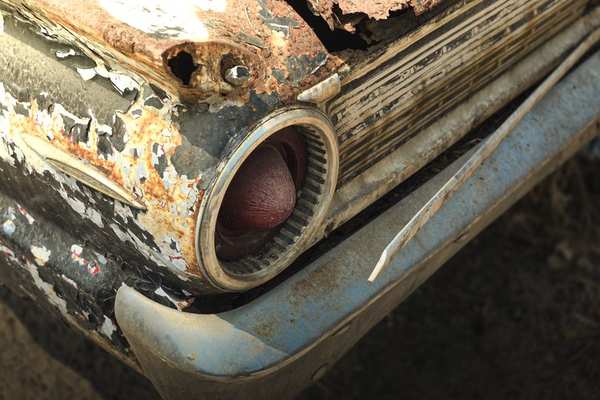
Rust is easy to underestimate on a used car. A few orange spots around a wheel arch may be cosmetic, while corrosion hidden around a sill, suspension mounting or floor section can mean expensive repairs or a safety problem. In the UK, winter road salt and wet roads make the underside especially worth checking, even when the paintwork above looks tidy.
Start With the Car in the Right Conditions
Inspect the car in daylight, preferably clean and dry. Rain can disguise paint differences, while dirt can conceal bubbling paint and fresh underseal. Stand several metres away first and compare reflections along both sides, then move closer panel by panel.
Take a bright torch, a small inspection mirror and, with the seller’s permission, a suitable magnet and paint depth gauge. Never crawl under a car supported only by a jack. If the underside cannot be viewed safely, arrange an independent inspection or ask to see the car on a ramp.
How to Do a Proper Car Rust Check
Check the common corrosion traps
Start with wheel arches, lower door edges, boot floor, jacking points, sills and panel seams. Underneath, pay attention to subframes, floor sections and metal around suspension, steering and seat-belt mounting areas. Mud trapped behind liners and trims can hold moisture against metal for years.
Rust staining alone does not show how serious the problem is. Light surface corrosion may be manageable. Flaking metal, swollen seams, holes or metal that feels weak are more concerning. Current UK MOT guidance treats corrosion around important load-bearing areas seriously; corrosion within 30cm of certain component mountings can fail if strength or continuity is significantly reduced.
Do not assume a recent MOT means rust-free
An MOT is a minimum roadworthiness test, not a full pre-purchase condition report. Some areas can be hidden by trim, and cosmetic corrosion may not cause a failure. Check the vehicle’s MOT history before viewing and look for repeated advisories mentioning corrosion, subframes or structural deterioration. Repeated advisories can be more revealing than one pass.
A broader used car inspection checklist can help you combine bodywork checks with tyres, fluids, electrics and paperwork.
How to Spot Filler and Resprayed Panels
Use your eyes before using tools
Compare the colour and gloss of adjacent panels from several angles. Look for changes in paint texture, overspray on plastic or rubber, masking lines inside door shuts and polishing haze around one section. Panel gaps should also look reasonably even.
Open the bonnet and boot and inspect visible bolts. Chipped paint around bolt heads may show that a wing, bonnet or hinge has been removed or adjusted. A door that needs extra force to close, or a bumper that does not line up with the wing, adds another clue.
Try a careful car filler test with a magnet
A small magnet can sometimes reveal thick filler on steel panels because attraction becomes weaker where non-metallic filler sits between the magnet and steel. Put a thin soft cloth between the magnet and paint, use very light contact and compare several nearby points.
This is not a definitive test. Many modern cars use aluminium, plastic or composite panels that may not attract a magnet at all. Check the panel material first and treat the magnet as a comparison tool, not proof of filler.
Using a Paint Depth Gauge on a Car
A paint depth gauge is most useful when you compare readings rather than chase one magic number. Factory paint thickness varies between manufacturers, models and panels, so there is no universal reading that proves a repair. Take several measurements across one panel, then compare them with neighbouring areas and the equivalent panel on the opposite side.
Consistently different readings may suggest a respray, while very high or rapidly changing readings can point to filler beneath the paint. Calibrate the gauge according to its instructions and make sure it can measure the panel material; some basic gauges work only on steel.
For example, if the left rear quarter gives similar readings throughout but the right rear quarter becomes much thicker near the wheel arch, then you also notice a slight colour mismatch and overspray inside the arch, those clues together make a previous local repair much more likely than one unusual measurement would.
Signs of Accident Repair That Need Extra Attention
Cosmetic repair is not automatically a reason to reject a car. A properly repaired parking scrape is very different from badly repaired structural damage. Concern rises when you find distorted metal, rough welds, uneven seam sealer, ripples in the boot floor, mismatched spot welds or fresh underseal applied only to one suspicious area.
Fresh black underseal can be legitimate protection, but on an older car it deserves questions. Look for careless overspray and compare both sides of the underside. Ask when it was applied and whether photographs exist from before the work. If the MOT history also shows recurring corrosion advisories, be cautious. A guide on how to check a car’s MOT history is a useful companion check.
If you suspect structural work, do not rely on a magnet or paint depth gauge car reading alone. A qualified independent inspector or body repair specialist can assess alignment, repair quality and structural areas more reliably.
Know When to Walk Away
A little surface rust or a professionally repainted panel may simply be part of owning an older vehicle. Walk away, or obtain expert inspection before paying, when you find soft structural metal, perforation near major mountings, crude welded patches, several inconsistent repair clues or a seller who will not allow reasonable inspection.
Once the bodywork looks satisfactory, a used car test drive checklist can help you check steering, braking, suspension noises and straight-line behaviour that may expose problems not visible while parked.
Frequently Asked Questions
Where is rust most serious on a used car?
Rust is most concerning where it reduces the strength of load-bearing structure or metal around suspension, steering, braking or seat-belt mounting areas. Sills, subframes, jacking points and floor sections deserve close attention.
Can a magnet definitely tell if a car has filler?
No. It can help identify unusually thick filler over steel, but aluminium and plastic panels behave differently. Use it gently and compare several points rather than treating one weak spot as proof.
What paint depth reading means a panel has been repaired?
There is no universal threshold. Paint systems and factory readings vary. Consistency matters more: compare several readings across the same panel and with adjacent or opposite panels, looking for clear repeated differences.
Should I buy a car that has had paintwork?
Possibly. Quality cosmetic repairs are common. Focus on why the repair was done, whether the finish and panel alignment are good, and whether there is evidence of hidden structural damage or corrosion underneath.
Make the Evidence Add Up Before You Buy
The safest approach is to combine clues rather than depend on one test. Inspect known corrosion traps, compare paint in good daylight, use a magnet only where appropriate, take repeatable gauge readings and read the MOT history for patterns. When fresh paint, filler, distorted metal and unexplained underseal all point to the same area, arrange a professional inspection or keep looking for a better car.