
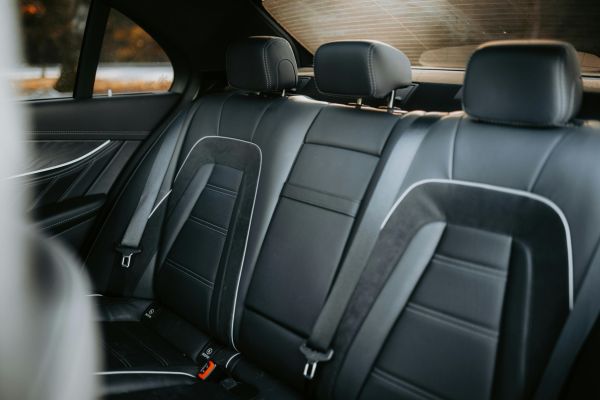
A comfortable car seat can change the whole mood of a drive. It sounds simple, maybe even a little boring, until you spend two hours in traffic with a stiff lower back or step into a parked car on a hot afternoon and feel the seat burn through your clothes. That is when car seat covers stop feeling like a cosmetic accessory and start feeling like something that actually matters.
Car seat covers for comfort are not just about hiding worn upholstery or making the cabin look cleaner. The right cover can soften a firm seat, improve airflow, reduce heat, add support, and make everyday driving feel less tiring. Whether you drive across town for work, take long highway trips, or use your car for school runs and errands, seat comfort quietly affects how fresh you feel when you arrive.
Why Comfort Matters More Than Looks
A lot of drivers first think about seat covers because of appearance. Maybe the original fabric has faded, maybe there are stains, or maybe the interior just feels plain. Looks do matter, of course. A clean, well-fitted seat cover can make an older car feel more cared for. But comfort should come first.
A stylish cover that traps heat, bunches up, or slides around every time you get in the car becomes annoying very quickly. A truly comfortable cover feels stable, breathable, and natural under the body. It does not make you think about it too much. That is usually the sign it is doing its job well.
Good seat covers can also help protect the original seats from sweat, dust, pet hair, food spills, and daily wear. But again, protection is only useful if the cover is pleasant enough to live with every day.
Soft Fabric Covers for Everyday Driving
Fabric seat covers are often the easiest choice for daily comfort. They usually feel softer than synthetic leather and are less likely to become extremely hot or cold depending on the weather. Cotton blends, polyester fabrics, and woven materials can create a relaxed, familiar feel, especially for drivers who prefer a more casual cabin.
The best fabric covers tend to be breathable. This matters more than many people realize. A seat cover that allows air to move can help prevent that sticky feeling during longer drives. For people living in warmer areas, breathable fabric can be more comfortable than thick leather-like materials.
Fabric covers also work well for family cars because they usually feel forgiving. They are not too slippery, and they often provide a little texture, which helps keep the driver and passengers settled in place. The downside is that fabric can absorb spills and odors more easily, so washable options are worth considering.
Padded Seat Covers for Extra Cushioning
Some car seats are firm by design. Others simply lose comfort after years of use. Padded seat covers can help in both cases by adding an extra layer between the body and the seat. These are especially useful for people who spend a lot of time behind the wheel.
The most comfortable padded covers are not always the thickest ones. Too much padding can raise your seating position awkwardly or make the seat feel unstable. A balanced cover adds softness without changing the way you sit too dramatically. Memory foam, sponge padding, and quilted designs are common choices.
For long drives, light cushioning can reduce pressure around the hips and thighs. It may not replace a properly designed ergonomic seat, but it can make an ordinary seat feel more welcoming. The key is to choose padding that stays evenly distributed and does not flatten too quickly.
Breathable Covers for Hot Weather
If your car often sits in the sun, comfort becomes closely connected to temperature. A beautiful seat cover is not much help if it turns into a heat trap. For hot weather, breathable car seat covers for comfort are usually the smartest pick.
Mesh seat covers are popular for this reason. They allow more airflow and often dry faster after sweating. Some covers use perforated surfaces or woven textures to reduce heat buildup. These details may seem small, but on a summer afternoon they can make the seat feel noticeably better.
Light-colored covers can also help because they absorb less heat than dark materials. That said, lighter shades show dirt more easily, so there is always a trade-off. For many drivers, a medium gray or soft beige gives a nice balance between heat control and easy maintenance.
Faux Leather Covers with a Smooth Feel
Faux leather seat covers remain popular because they look neat and are easy to wipe clean. For comfort, though, quality makes a big difference. Cheap, stiff faux leather can feel plasticky and uncomfortable, especially in extreme temperatures. Softer, better-made versions feel smoother and more flexible.
These covers suit drivers who want a cleaner, more refined interior without dealing with the cost or care of genuine leather. They are also practical if you regularly carry children, pets, gym bags, or takeaway food. Spills are easier to clean before they soak in.
For comfort, it is worth looking for faux leather covers with breathable panels, light padding, or perforated sections. A completely solid surface can feel warm during long drives, while small ventilation details help make the experience more pleasant.
Sheepskin and Plush Covers for a Cozy Ride
For colder climates or drivers who like a softer, warmer seat, plush-style covers have their own charm. Sheepskin-style and fleece-like covers create a cozy layer that feels especially nice during winter mornings. They soften the seat instantly and can make an older interior feel more inviting.
These covers are not for everyone. In hot weather, they may feel too warm. They also have a more noticeable look, which can change the character of the cabin quite a bit. Still, for comfort-focused driving in cooler weather, they can be surprisingly satisfying.
The best plush covers should feel dense but not messy. If the fibers shed, flatten unevenly, or slide around, the comfort quickly fades. Fit matters here as much as material.
Seat Covers with Lumbar Support
Comfort is not only about softness. Sometimes a seat feels uncomfortable because it does not support the natural curve of the back. For drivers with lower back fatigue, seat covers with built-in lumbar support can make a meaningful difference.
These covers usually include extra padding around the lower back area. Some are subtle, while others feel more structured. The right choice depends on your body and seating posture. Too much lumbar support can push the back forward awkwardly, while too little may not help at all.
For long commutes, a gentle lumbar shape often works best. It supports the back without making the seat feel like a medical device. The goal is simple: you should arrive feeling less stiff than usual.
Fit and Stability Are Part of Comfort
Even the softest material becomes irritating if the cover does not fit properly. Loose seat covers shift, wrinkle, and bunch under the legs. That constant movement can distract the driver and make the seat feel untidy.
A good fit follows the shape of the seat and stays in place when you enter, exit, brake, and turn. Straps, hooks, elastic edges, and anti-slip backing all help with stability. Universal covers can work well, but they need careful adjustment. Custom-fit covers usually feel cleaner and more secure, though they may cost more.
It is also important to consider airbags. Many modern cars have side airbags built into the seats, so covers should be compatible with that design. Comfort should never interfere with safety.
Choosing the Right Material for Your Lifestyle
The best seat cover depends on how the car is used. A commuter who drives every day in warm weather may prefer breathable mesh or soft fabric. A parent may value washable covers that handle spills. A rideshare driver might want durable faux leather that cleans quickly. Someone who takes weekend road trips may appreciate padded covers with mild lumbar support.
There is no single perfect material for everyone. Comfort is personal. Some people like a smooth surface, while others want a textured fabric. Some want extra cushioning, while others hate feeling lifted from the original seat. The right choice should match your body, climate, and driving routine.
A Comfortable Interior Starts with Small Details
Car seat covers may seem like a small upgrade, but small details often shape the driving experience the most. A seat that feels cooler, softer, cleaner, or better supported can make ordinary journeys easier. You notice it when the commute feels less tiring, when a long drive ends without that familiar ache, or when the cabin simply feels nicer to sit in.
The best car seat covers for comfort are the ones that blend into your routine. They protect the seats, suit the weather, stay firmly in place, and feel good without demanding attention. Choose material before style, fit before decoration, and support before trend. When all those pieces come together, your car becomes a more comfortable place to spend time, which matters more than most people think until they feel the difference.