
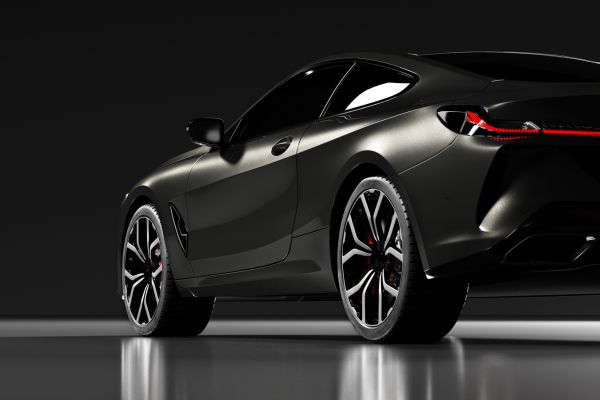
Understanding the World of Car Builds
There’s something quietly addictive about car builds. It starts with a simple idea—maybe improving performance, refining aesthetics, or just making a vehicle feel more personal—and before long, it turns into a full-blown creative journey. Car builds aren’t just about machines; they’re about identity, patience, and the satisfaction of shaping something with your own hands.
At their core, car builds involve modifying a vehicle beyond its factory condition. This could mean anything from subtle upgrades to complete transformations where only the shell remains original. Some builds focus on speed, others on comfort or visual appeal. But no matter the direction, the process always reflects the builder’s taste and intent.
Choosing the Right Starting Point
Every successful build begins with the right base car. This choice often determines how smooth—or complicated—the journey will be. Some vehicles are naturally more modification-friendly due to parts availability, community support, and mechanical simplicity.
Enthusiasts often gravitate toward platforms with a proven track record. Cars with strong aftermarket ecosystems tend to offer more flexibility, making it easier to experiment without hitting constant roadblocks. Still, there’s a certain charm in choosing an unconventional model and turning it into something unexpected.
It’s not always about picking the “best” car. Sometimes, it’s about what resonates personally. A car you’ve owned for years or one tied to a memory can become the perfect canvas for a build, even if it isn’t the most obvious choice.
Defining the Purpose of Your Build
One of the most overlooked aspects of car builds is clarity of purpose. Without a clear direction, projects can quickly lose focus. Is the goal to create a daily driver with enhanced performance? A track-focused machine? Or a showpiece designed to turn heads?
Each direction demands different decisions. A track-oriented build might prioritize weight reduction, suspension upgrades, and engine tuning, while a show car might focus more on paint, interior detailing, and visual coherence. Trying to mix too many purposes often leads to compromises that dilute the final result.
Taking a step back and defining what you want the car to become can save time, money, and frustration down the line.
The Art of Engine Modifications
For many enthusiasts, the heart of car builds lies under the hood. Engine modifications can dramatically change how a car feels, sounds, and performs. From simple bolt-on upgrades to complete engine swaps, the possibilities are nearly endless.
Upgrading components like intake systems, exhaust setups, and engine management can unlock hidden potential. More advanced builds might involve turbocharging or supercharging, pushing the engine far beyond its original limits. These changes, while exciting, require careful planning and understanding. Power gains often come with added stress on components, making reliability a key consideration.
There’s a delicate balance between chasing performance and maintaining usability. Some builds aim for raw power figures, while others focus on delivering a smooth, responsive driving experience.
Suspension and Handling Transformations
While engine upgrades often steal the spotlight, suspension modifications can be just as transformative. A well-tuned suspension setup changes how a car interacts with the road, improving stability, cornering ability, and overall confidence behind the wheel.
Lowering springs, coilovers, upgraded bushings, and sway bars all play a role in refining handling. The goal isn’t always to make the car stiffer or lower, but to create harmony between comfort and control.
Driving a car that feels planted and predictable is deeply satisfying. It’s one of those aspects of car builds that might not be immediately visible but becomes undeniable the moment you take a corner.
Exterior Styling and Visual Identity
Car builds are as much about appearance as they are about performance. The exterior is where personality truly shines. From subtle enhancements to bold redesigns, visual modifications can completely redefine a car’s character.
Body kits, custom paint jobs, vinyl wraps, and unique lighting setups are common ways to personalize a build. Even small changes like wheel selection or stance adjustments can have a dramatic impact.
The key lies in cohesion. A well-executed build feels intentional, where every element complements the others. It’s not about adding as many modifications as possible, but about creating a unified look that tells a story.
Interior Upgrades and Driver Experience
Stepping inside a modified car often reveals just as much thought and effort as the exterior. Interior upgrades focus on comfort, functionality, and aesthetics, enhancing the overall driving experience.
Seats, steering wheels, gauges, and infotainment systems are common areas of attention. Some builds lean toward minimalism, stripping away unnecessary elements to reduce weight and create a focused environment. Others embrace luxury, adding premium materials and advanced features.
There’s something uniquely satisfying about sitting in a space that feels tailored to you. It transforms every drive into a more personal and engaging experience.
Balancing Performance and Reliability
One of the biggest challenges in car builds is maintaining reliability. It’s easy to get caught up in chasing bigger numbers or more aggressive modifications, but every change introduces new variables.
A well-balanced build considers not just performance gains, but also the long-term health of the vehicle. Supporting modifications—like upgraded cooling systems, stronger components, and proper tuning—are essential for ensuring that the car remains dependable.
Reliability doesn’t mean limiting ambition. It means building thoughtfully, understanding the limits of the platform, and making choices that allow the car to perform consistently over time.
The Role of Budget and Planning
Car builds can quickly become expensive, often more than initially expected. Setting a realistic budget and planning ahead can make the process more manageable.
Costs don’t just come from parts. Labor, tools, unexpected repairs, and revisions all add up. It’s not uncommon for a build to evolve beyond its original scope, especially as new ideas emerge along the way.
Patience plays a crucial role here. Rushing through a build often leads to mistakes or compromises. Taking the time to plan, research, and execute each step carefully can result in a more satisfying outcome.
Learning Through the Process
Perhaps the most rewarding aspect of car builds is the learning that comes with them. Each modification, challenge, and setback adds to your understanding of how vehicles work.
Mistakes are part of the journey. Something doesn’t fit quite right, a component doesn’t perform as expected, or a plan needs to be adjusted. These moments, while frustrating at times, are where real growth happens.
Over time, what once seemed complicated becomes familiar. The process becomes less about following instructions and more about making informed decisions based on experience.
The Community Behind Car Builds
Car builds rarely happen in isolation. There’s a vibrant community of enthusiasts who share knowledge, inspiration, and support. Whether through local meets, online forums, or social media, these connections play a significant role in shaping builds.
Seeing what others have created can spark new ideas or offer solutions to challenges. At the same time, sharing your own progress adds to the collective experience, creating a sense of belonging within the community.
There’s a quiet understanding among enthusiasts—a recognition of the time, effort, and passion that goes into every build.
When a Build Becomes More Than a Car
At some point, a build stops being just a project and becomes something more meaningful. It might represent countless hours spent in a garage, late nights solving problems, or the simple joy of seeing an idea come to life.
Driving a car you’ve built or modified yourself feels different. There’s a connection that goes beyond functionality. Every sound, every response, every detail carries a piece of your effort.
It’s not always about perfection. Sometimes, it’s the imperfections that make a build feel real and personal.
Conclusion: The Journey of Car Builds
Car builds are less about reaching a final destination and more about the journey itself. They reflect creativity, persistence, and a willingness to explore what’s possible. Each build tells a story—of decisions made, challenges faced, and lessons learned along the way.
There’s no single right way to approach car builds. Some are meticulous and methodical, others more spontaneous and experimental. What matters is the connection you form with the process and the result.
In the end, a car build is more than a collection of parts. It’s a reflection of the person behind it—a moving expression of passion, shaped one modification at a time.