
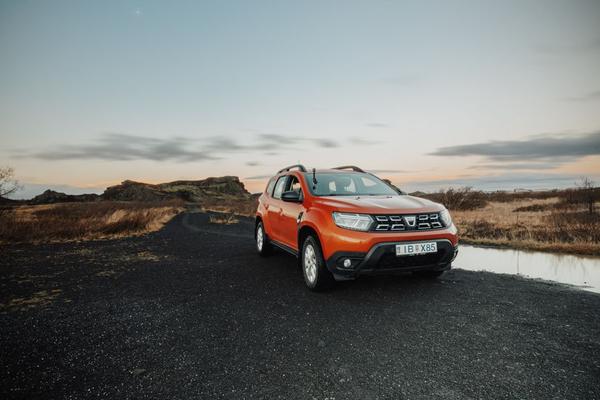
The Dacia Bigster is aimed at buyers who want family-SUV space without paying family-SUV money. It takes the value-led Duster formula into a larger five-seat package, with more rear-seat room, a big boot and electrified petrol engines. For buyers prioritising practicality, running costs and useful equipment over premium materials, the Bigster makes a case for itself.
What is the Dacia Bigster like?
The Bigster sits in the mainstream family-SUV class. Its upright shape creates useful interior room without becoming awkward for British roads.
The Dacia Bigster interior is straightforward rather than luxurious. Hard plastics are common, but the dashboard is simple, physical controls are easy to understand, and the 10.1-inch touchscreen supports smartphone connectivity. Rear doors open wide, headroom is generous and the cabin has sensible storage.
Space and practicality
Space is the Bigster’s strongest argument. Adults can sit comfortably in the back, while the wide-opening rear doors make fitting a child seat easier. On Journey trim, the 20/40/20 split rear bench adds flexibility when you need to carry a long item without folding both outer rear seats.
Dacia Bigster boot space is particularly competitive. Dacia quotes up to 677 litres for the mild hybrid 140, while the hybrid 155 is listed at 612 litres. With the rear seats folded, the mild hybrid can offer up to 1,977 litres. Capacity varies by powertrain, so check the exact version if you regularly carry a pushchair, dog crate or bulky sports kit.
A practical showroom test is to take the pushchair, travel cot or largest suitcase you use regularly and try it in the boot. Litres are useful for comparison, but the loading lip, opening shape and how your own bulky items fit can matter more.
Dacia Bigster engines: which one makes sense?
Mild hybrid 140
The entry point is the 1.2-litre three-cylinder mild hybrid 140 with a six-speed manual gearbox and front-wheel drive. Dacia currently quotes 140 hp, 230 Nm of torque and 52.3 mpg combined for the Expression configuration. It is the simplest choice for buyers happy to change gear themselves and keen to keep the purchase price down.
Hybrid 155
The hybrid 155 combines a 1.8-litre petrol engine with electric assistance and an automatic transmission. It is the easier option for stop-start traffic, where a full hybrid can spend meaningful periods moving on electric power. The extra cost buys an automatic gearbox and stronger fuel-saving potential around town, making it appealing for school runs and mixed urban journeys.
Hybrid 150 4×4
Dacia also promotes a hybrid 150 4×4 for buyers who genuinely need extra traction. The system uses a petrol engine at the front and an electric motor at the rear to provide four-wheel drive. It is worth considering for muddy tracks, rural winters or difficult access, but many suburban families will get better value from the front-wheel-drive versions.
Comfort and driving experience
The Bigster is tuned as a practical family car rather than a sporty SUV. It is easy to place, light to steer and predictable. Smaller-wheel versions are worth considering if ride comfort matters most, because larger wheels can make rough surfaces feel busier. Some road tests have criticised front-seat thigh support, so taller drivers should check the seating carefully.
The manual mild hybrid keeps things conventional, while the hybrid 155 is easier in heavy traffic. Neither is designed as a performance SUV. The more useful test is whether the car stays comfortable at your normal speeds and whether the seats still feel supportive after half an hour on the road.
Equipment and trims
Expression already covers many family essentials, including dual-zone climate control, a 10.1-inch media display, a multiview camera and 17-inch alloy wheels. Journey adds comfort-focused features such as an electric tailgate, a larger digital driver display and 19-inch wheels. Extreme takes a more outdoorsy approach, with features including a panoramic opening sunroof and modular roof bars.
For many buyers, the smartest Bigster will not be the most expensive one. Expression already includes much of what people use every day. Journey can justify its premium if its convenience features matter, but it is worth comparing equipment line by line instead of assuming the highest trim automatically offers the best value.
Dacia Bigster price UK buyers should expect
At the time of writing, Dacia lists the Bigster from £25,215 for the Expression mild hybrid 140. Expression with the hybrid 155 starts from £26,715, while Journey mild hybrid 140 starts from £26,765. Prices rise with higher trims, metallic paint and four-wheel drive, so compare the final configured price rather than only the headline figure.
That pricing is central to the Bigster’s appeal. It undercuts many established family SUVs while still offering the space and everyday equipment buyers expect. The compromise is visible in cabin materials, refinement and some details of comfort.
Running costs and safety
The mild hybrid 140’s official 52.3 mpg combined figure is a useful benchmark, while the hybrid 155 is likely to suit drivers who spend more time in towns and cities. Real fuel economy will vary with weather, speed, traffic and load, so WLTP numbers are best treated as comparison figures rather than guarantees.
Family buyers should also know about safety-test performance. Euro NCAP published a three-star rating for the Bigster, with 69% for adult occupant protection, 85% for child occupant protection, 60% for vulnerable road users and 57% for safety assist. Buyers who prioritise the strongest available Euro NCAP result should compare this carefully with rivals.
Natural next reads for anyone comparing options include our family SUV buying guide, hybrid vs mild hybrid guide and best cars for large boots.
FAQ
Is the Dacia Bigster a seven-seater?
No. The Bigster is a five-seat SUV. Buyers who need seven seats should consider the Dacia Jogger or another seven-seat family SUV.
How big is the Dacia Bigster boot?
The mild hybrid 140 is listed with up to 677 litres of boot capacity, while the hybrid 155 is listed at 612 litres. Capacity varies by powertrain and configuration.
Which Dacia Bigster engine is best?
The mild hybrid 140 is the value-focused choice for drivers happy with a manual. The hybrid 155 suits buyers who want an automatic and do plenty of urban driving, while the 4×4 version is aimed at people who actually need extra traction.
Is the Dacia Bigster good value?
For buyers prioritising cabin space, boot capacity and useful equipment over premium materials, the Bigster is competitively priced. Its value is strongest in the lower and mid-level trims, where the price gap to many mainstream family SUVs remains meaningful.
Conclusion
The Dacia Bigster succeeds by being clear about what it is. It does not try to out-luxury more expensive rivals. Instead, it offers a roomy five-seat cabin, a genuinely large boot, sensible electrified engines and an accessible starting price. The hard cabin plastics and three-star Euro NCAP rating deserve consideration, and taller drivers should make sure the front seats suit them. If those points are acceptable, the Bigster delivers a lot of usable family SUV for the money, with the mild hybrid 140 standing out for simplicity and price and the hybrid 155 offering the easier everyday experience for automatic-car buyers.