
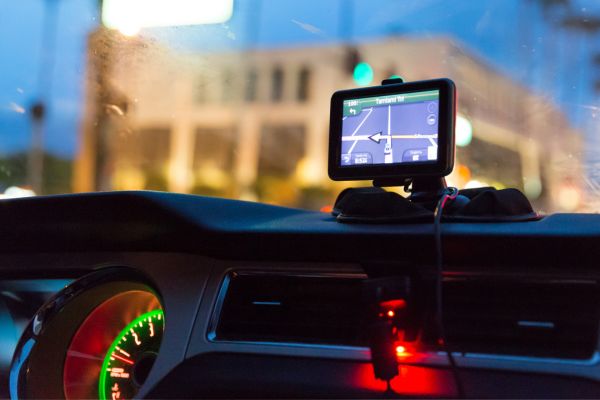
The idea of tracking a car used to feel reserved for shipping fleets, rental companies, or crime dramas. In 2026, though, GPS tracking has quietly become part of ordinary driving life. Parents use it to check whether a teenager made it to college safely. Small business owners rely on it to keep an eye on work vans scattered across a city. Some drivers simply want peace of mind knowing they can recover a stolen vehicle faster than they could a decade ago.
The market has changed along with those expectations. Modern GPS trackers are smaller, smarter, and far less intrusive than the clunky units people installed years ago. Many connect directly to mobile apps, offer live driving data, and blend into a car’s electrical system without attracting attention. Others are portable and magnetic, built for flexibility rather than permanence.
Choosing among the best car GPS trackers 2026 has to offer is no longer about finding a single “perfect” device. It’s more about understanding how different trackers fit different lifestyles, driving habits, and concerns.
Why GPS Trackers Matter More in 2026
Vehicle technology has advanced quickly, but theft and misuse haven’t disappeared. In many cities, organized theft rings have become more sophisticated, especially with keyless entry systems becoming common. Drivers are responding by adding independent tracking systems that operate separately from factory-installed software.
There’s another layer to this shift as well. Modern driving is increasingly data-driven. Insurance companies look at driving behavior. Fleet operators monitor fuel efficiency. Families track travel routes during long road trips. GPS trackers have moved beyond location alone and into the broader world of telematics.
Some devices now measure acceleration habits, harsh braking, idle time, and even engine diagnostics. A tracker sitting quietly under the dashboard can reveal far more about a vehicle than most people realize.
Still, despite all the extra features, reliability remains the heart of a good tracker. A device that loses signal or drains its battery during an emergency is practically useless.
The Difference Between Plug-In and Hardwired Trackers
One of the first choices drivers face involves installation style.
Plug-in trackers connect directly to the OBD-II port found beneath most dashboards. They’re easy to install, usually taking less than a minute. This simplicity makes them popular among casual users and families. They can often provide engine information alongside location tracking because they communicate directly with the car’s onboard computer.
The downside is visibility. Anyone familiar with vehicle interiors can usually spot an OBD tracker quickly.
Hardwired trackers take a more discreet approach. These are connected directly into the vehicle’s electrical system, often hidden behind panels or under seats. They’re harder to detect and typically more reliable for long-term monitoring. Businesses and security-focused owners tend to prefer them.
Portable battery-powered trackers fill a different niche altogether. They can be attached magnetically and moved between vehicles. That flexibility appeals to travelers, trailer owners, and people managing multiple cars.
Real-Time Tracking Has Become the Standard
A few years ago, delayed updates were considered acceptable. Some trackers refreshed location data every few minutes to conserve power or bandwidth. In 2026, expectations are much higher.
Drivers now expect near-instant tracking with live movement visible on mobile apps. The best systems update continuously while a vehicle is in motion, creating a smoother and more accurate picture of where the car actually is.
This matters more than people sometimes think. During theft recovery, even a short delay can place a vehicle several streets away from its last visible location. Real-time accuracy turns a tracker from a simple convenience into a practical security tool.
At the same time, modern apps have become noticeably cleaner and easier to use. Early GPS interfaces often felt cluttered and technical. Today’s systems lean toward simplicity, with intuitive maps, route history, and alert customization built into polished smartphone dashboards.
Battery Life Still Separates Average Devices From Great Ones
For portable trackers especially, battery performance remains one of the most important differences between models.
Some compact devices promise weeks of operation but only achieve those numbers with infrequent location updates. Continuous tracking drains power much faster. The best car GPS trackers 2026 buyers are paying attention to tend to balance smart power management with practical performance.
Solar-assisted trackers have started gaining popularity too, particularly for RVs, trailers, and commercial equipment stored outdoors. They’re not perfect, especially in cloudy climates, but they reduce the need for constant charging.
Hardwired systems avoid battery limitations entirely by drawing power from the vehicle itself. That’s part of the reason security-conscious drivers still lean toward permanent installations despite the extra setup effort.
Geofencing Has Become Surprisingly Useful
Geofencing sounds technical, but most people already understand the concept intuitively.
A driver creates a digital boundary around a location — perhaps a neighborhood, school, warehouse, or parking area. When the vehicle enters or leaves that zone, the owner receives an alert.
For parents, it’s a quiet reassurance rather than constant surveillance. For business owners, it helps verify delivery arrivals or unauthorized vehicle movement after working hours. Even ordinary commuters sometimes use geofencing reminders for parking management or maintenance schedules.
The feature has matured significantly in recent years. Older systems produced false alerts too often. Modern trackers are far more precise thanks to improved satellite accuracy and cellular connectivity.
Subscription Costs Are Becoming a Bigger Consideration
One reason GPS tracker shopping can feel confusing is that the hardware price rarely tells the full story.
Many devices require monthly subscriptions for cellular data access, cloud storage, and live tracking services. A tracker that seems affordable upfront may become expensive over several years of use.
Some companies now offer flexible plans, including annual billing or seasonal activation for drivers who only need tracking occasionally. Others bundle advanced telematics tools into premium tiers aimed at commercial fleets.
Interestingly, consumers in 2026 appear more willing to pay subscriptions when the software experience feels genuinely polished. A stable app with reliable notifications and accurate mapping tends to matter more than flashy marketing promises.
Privacy Concerns Continue to Shape the Industry
As tracking technology improves, privacy discussions naturally follow.
Drivers increasingly want transparency about how their data is stored, shared, and protected. Some companies retain trip histories for long periods, while others allow users to delete records automatically after a chosen timeframe.
Encryption standards have improved across the industry, but concerns remain valid. A poorly secured tracking account could expose detailed movement patterns and personal routines.
This is partly why trusted brands continue to dominate the upper end of the market. Reliability now includes cybersecurity reputation alongside hardware quality.
Many consumers are also becoming selective about which features they actually enable. Continuous driving behavior monitoring, for instance, can feel intrusive unless there’s a clear benefit attached to it.
GPS Tracking for Electric Vehicles
Electric vehicles have introduced a few new considerations into the tracking world.
Battery management matters more with EVs, especially for trackers drawing constant power. Manufacturers have started designing systems specifically optimized for electric platforms, minimizing unnecessary drain while still supporting live updates.
EV owners also tend to expect more advanced software integration. Charging alerts, range tracking, and maintenance monitoring are increasingly appearing alongside traditional GPS features.
Interestingly, some EV drivers still prefer independent GPS trackers even when their vehicles already include factory-connected apps. Redundancy offers reassurance, particularly in theft scenarios where built-in systems may be disabled.
What Drivers Actually Want From a Tracker
Despite all the innovation surrounding telematics and smart connectivity, most people still want surprisingly simple things from a GPS tracker.
They want to open an app and see exactly where their car is.
They want notifications that arrive quickly and accurately.
They want batteries that last longer than advertised estimates.
And above all, they want reliability during stressful moments rather than flashy features they rarely use.
That practical mindset explains why some older, proven tracking brands continue to perform well even as newer competitors enter the market with sleek designs and ambitious feature lists.
In the end, the best car GPS trackers 2026 drivers choose are often the ones that quietly do their job without demanding much attention.
The Future of Vehicle Tracking
GPS tracking is gradually blending into the broader ecosystem of connected transportation. As vehicles become smarter and more autonomous, trackers are evolving from standalone accessories into integrated mobility tools.
Artificial intelligence is beginning to improve route prediction and driving analysis. Satellite coverage is becoming more precise. Some systems are even experimenting with predictive maintenance alerts based on movement patterns and engine behavior.
Yet the core purpose remains remarkably unchanged: knowing where a vehicle is, when it moved, and whether it’s safe.
That simplicity is probably why GPS trackers continue to resonate with so many drivers. In an era where cars are becoming rolling computers, there’s still comfort in having one dependable system quietly watching over the journey.
Conclusion
The conversation around vehicle tracking has matured considerably in recent years. GPS trackers are no longer niche gadgets installed only by businesses or security professionals. They’ve become everyday tools woven into modern driving culture, balancing convenience, awareness, and peace of mind.
The best car GPS trackers 2026 buyers are considering reflect that shift. They combine live location accuracy, smarter software, longer battery performance, and increasingly refined telematics features without feeling overly complicated.
Some drivers will prioritize theft recovery. Others will care more about family safety, fleet efficiency, or travel monitoring. There isn’t a universal solution for everyone, and that’s perfectly fine. The strength of today’s market lies in its variety.
What matters most is reliability — a tracker that works quietly in the background, ready when it’s needed most. In many ways, that’s what modern navigation technology has become: less about gadgets and more about reassurance.