
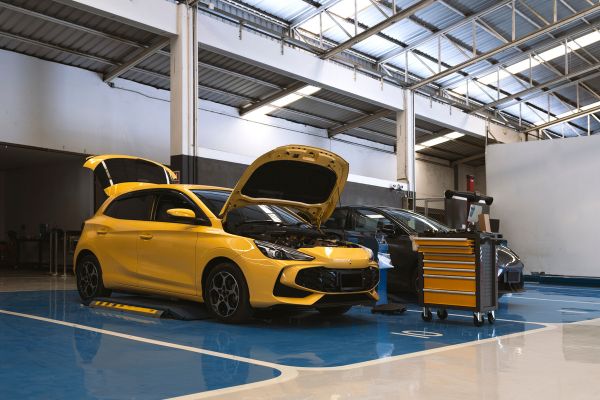
Electric vehicles have moved from niche curiosity to mainstream conversation in a remarkably short time. Once associated mainly with early adopters and futuristic branding, they are now discussed in city planning meetings, family garages, environmental policy debates, and everyday purchasing decisions. Their rise reflects a broader question many societies are asking: how can transportation become cleaner and more sustainable?
That is where electric vehicles sustainability becomes an important topic. Supporters often present electric vehicles as a major environmental solution. Critics sometimes point to batteries, mining, electricity sources, or infrastructure limits. The reality, as usual, sits somewhere between slogans.
Electric vehicles are neither a flawless answer nor an empty trend. They are a significant technological shift with real benefits, real trade-offs, and a complex relationship with sustainability.
Why Transportation Matters Environmentally
Transport plays a major role in emissions, urban air pollution, and energy consumption. Cars, trucks, ships, and aircraft all contribute, but private passenger vehicles remain especially visible because they are woven into daily life.
Millions of short trips, commutes, school runs, deliveries, and errands create enormous cumulative impact. Improving vehicle efficiency or changing propulsion systems can therefore matter at scale.
That is one reason electric vehicles attract so much attention.
Tailpipe Emissions and Local Air Quality
One of the clearest advantages in the electric vehicles sustainability discussion is simple: battery electric vehicles do not produce tailpipe emissions while driving.
That can help reduce nitrogen oxides, particulate pollution, and other pollutants associated with combustion engines, particularly in dense urban areas where air quality affects public health.
Cleaner streetside air is often an immediate and local benefit, separate from broader climate questions.
Climate Impact Depends on the Grid
Electric vehicles run on electricity, but electricity is generated differently around the world. In regions powered heavily by coal, climate benefits may be smaller than in places using more renewables, hydro, nuclear, or cleaner gas generation.
Still, many electric vehicles can become cleaner over time as grids improve. A gasoline vehicle generally remains tied to combustion throughout its life, while an EV connected to a cleaner grid may reduce emissions without changing the car itself.
That dynamic is important and often overlooked.
Manufacturing Footprint Matters
A common criticism of EVs concerns manufacturing, especially batteries. Battery production can be energy-intensive and involve mining materials such as lithium, nickel, cobalt, and graphite.
This means some electric vehicles may begin life with a higher manufacturing footprint than comparable combustion vehicles.
However, sustainability assessments usually consider the full lifecycle, not only the factory stage. Over years of driving, lower operating emissions may offset higher production impacts depending on mileage, grid mix, and vehicle size.
Battery Technology Is Evolving Quickly
Battery chemistry is not static. Manufacturers and researchers continue developing alternatives that use fewer scarce materials, improve energy density, extend lifespan, and reduce environmental impact.
Recycling systems are also growing, aiming to recover valuable materials from older batteries and reduce demand for virgin extraction.
When discussing electric vehicles sustainability, it is worth remembering that today’s battery systems are part of an evolving industry rather than a finished endpoint.
Vehicle Size Still Matters
Not all electric vehicles are equally sustainable. A very large, heavy EV with oversized batteries may require more materials and energy than a smaller, lighter model.
This mirrors a truth that existed long before electrification: size and efficiency matter.
A compact electric car, shared mobility option, e-bike, or improved public transit may sometimes offer stronger sustainability outcomes than simply replacing every large gasoline SUV with a large electric SUV.
Technology type is only one variable.
Maintenance and Efficiency Benefits
Electric drivetrains have fewer moving parts than internal combustion engines. They often avoid oil changes, many engine-related repairs, and certain maintenance demands associated with traditional vehicles.
They also convert energy efficiently. More of the stored energy goes into movement rather than heat loss compared with combustion systems.
Efficiency is not always dramatic in marketing headlines, but it is central to environmental performance.
Charging Infrastructure and Access
Sustainability is not only about machines. It also involves systems.
Electric vehicles become more practical when charging is reliable, convenient, and equitably available. Home charging can be easy for homeowners with parking access, but apartment dwellers or people in dense urban areas may face greater barriers.
Public charging networks, workplace charging, and smart urban planning all influence whether EV adoption becomes broad and fair.
Rural and Urban Differences
Electric vehicles may fit differently depending on geography.
Urban drivers doing short daily trips may benefit greatly from charging convenience, regenerative braking, and lower local emissions. Rural drivers covering long distances or lacking infrastructure may face different realities.
Sustainable transitions rarely happen identically everywhere. Context matters.
The Role of Renewable Energy
Electric vehicles connect naturally with renewable energy growth. Charging during periods of solar or wind generation, using home solar systems, or integrating smarter grid management can strengthen environmental benefits.
Over time, transportation electrification and cleaner electricity can reinforce one another.
That possibility helps explain why EVs are often discussed as part of larger energy transition strategies rather than isolated products.
End-of-Life and Recycling Questions
As more EVs age, battery reuse and recycling become increasingly important.
Some batteries may have second-life uses in stationary energy storage before final recycling. Others may move directly into material recovery systems.
Strong circular systems could improve long-term sustainability significantly. Weak disposal systems could create new problems.
The future impact depends partly on how responsibly societies build these next stages.
EVs Are Not the Only Answer
It is possible to support electric vehicles while recognizing their limits.
Traffic congestion, urban sprawl, road safety, parking pressure, and car dependency are not solved merely by changing engines. Public transit, walking infrastructure, cycling networks, better land use planning, and reduced unnecessary travel remain essential sustainability tools.
An electric traffic jam is still a traffic jam.
Consumer Decision Factors
For individuals, sustainability may be one motivation among many. Cost of ownership, charging convenience, reliability, range, climate, incentives, and lifestyle all influence decisions.
There is no universal correct choice for every household. In some cases, keeping an efficient existing vehicle longer may be more practical than replacing it immediately.
Sustainability often includes using resources wisely, not only buying new technology.
Conclusion
The debate around electric vehicles sustainability is most useful when it moves beyond extremes. Electric vehicles can reduce tailpipe pollution, improve energy efficiency, and lower lifecycle emissions in many scenarios—especially as electricity grids become cleaner. At the same time, battery sourcing, manufacturing impacts, infrastructure access, and vehicle size all matter deeply.
Electric vehicles are best understood as one important tool within a broader transition toward cleaner transport. They are not perfect, but they are meaningful. And in sustainability work, meaningful progress often matters more than perfect solutions.